
Environmental Sensitivity and Ecological Concerns
According to the Scottish Ministers’ screening opinion dated 7th April 2026, the proposed site lies within internationally protected marine environments, including the Moray Firth Special Area of Conservation (SAC) and Moray Firth Special Protection Area (SPA). The site is also adjacent to the Moray and Nairn Coast SPA/Ramsar, Culbin Bar SAC, and Culbin Sands, Culbin Forest and Findhorn Bay SSSI, with ecological connectivity to the Dornoch Firth and Morrich More SAC.
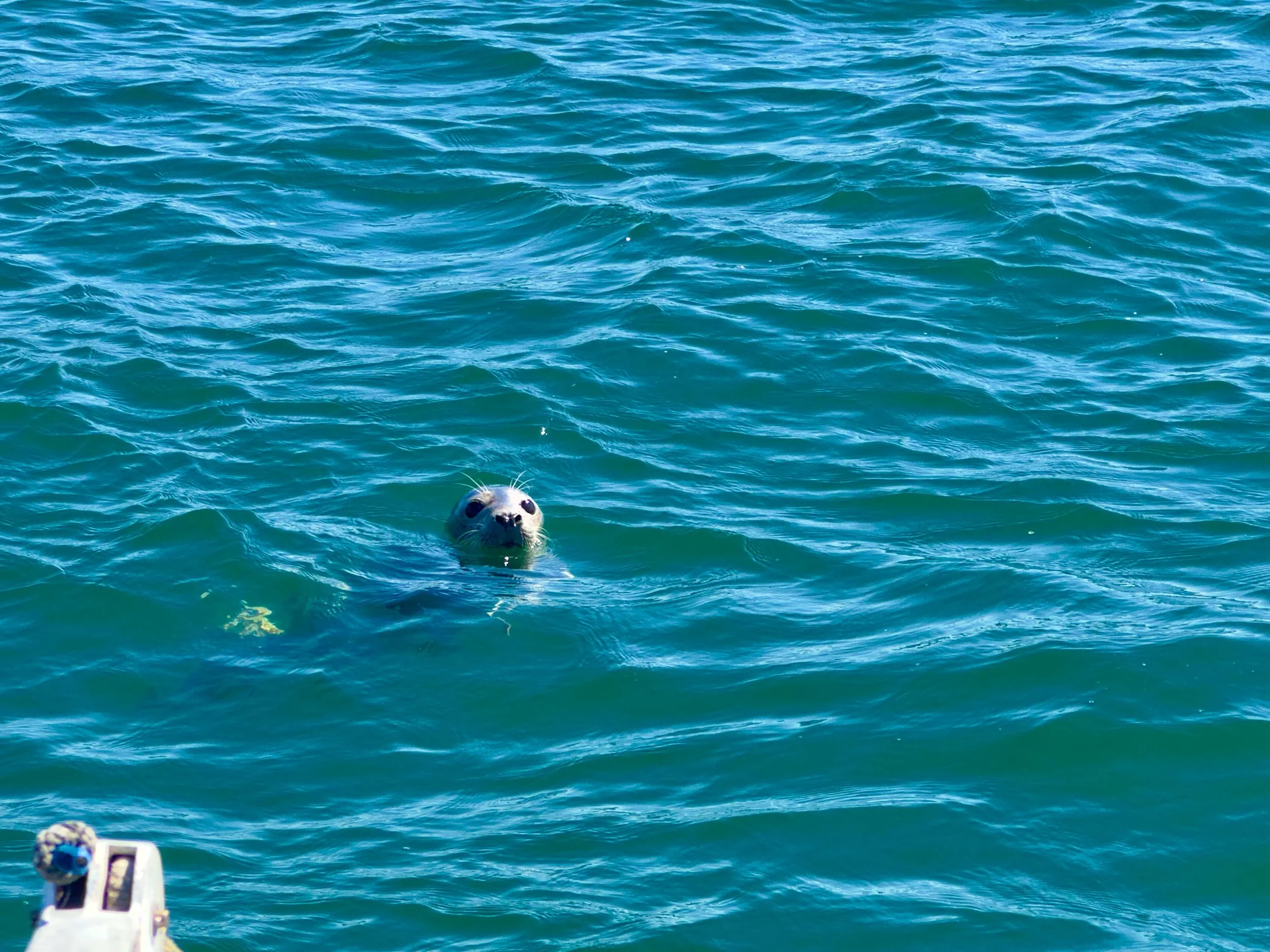
The Moray Firth supports the UK’s largest, and one of only two in the UK, resident populations of bottlenose dolphins, protected grey and harbour seal populations, migratory salmon returning to the River Findhorn, important seabird and waterbird populations, and sensitive seabed and marine habitats.
NatureScot highlighted the proximity of a harbour seal haul-out and pupping area approximately 700 metres from parts of the proposed works, including the sensitive June to July pupping period. The haul-out site is used by both harbour and grey seals, meaning the area is seasonally sensitive for both species. Grey seals pup from September to January, whereas harbour seals pup in June and July, so the site is sensitive for most of the year.
In its consultation response to Scottish Ministers, NatureScot identified several potential environmental impacts requiring detailed assessment, including:
underwater noise from piling and vessel activity
disturbance and displacement of dolphins and seals
impacts on SPA waterbirds and Osprey foraging areas
collision and entanglement risks
alteration of benthic habitats and sedimentary systems
impacts on sensitive sub-tidal sandbank features
changes to current flows, wave energy and sediment transport processes
risks associated with marine invasive non-native species
Additional impacts include:
risk of secondary entanglement of marine mammals in the circa 294 - 388 mooring lines associated with the floating foundation units
severe injury and death risk to seals and dolphins due to collision with moving ships, strikes with open propeller blades or getting sucked in to ducted propellers, as documented in reports to the Scottish government
SEPA additionally raised concerns regarding pollution prevention and marine invasive non-native species associated with movement of offshore infrastructure and vessels.
Landscape Tourism and Recreation
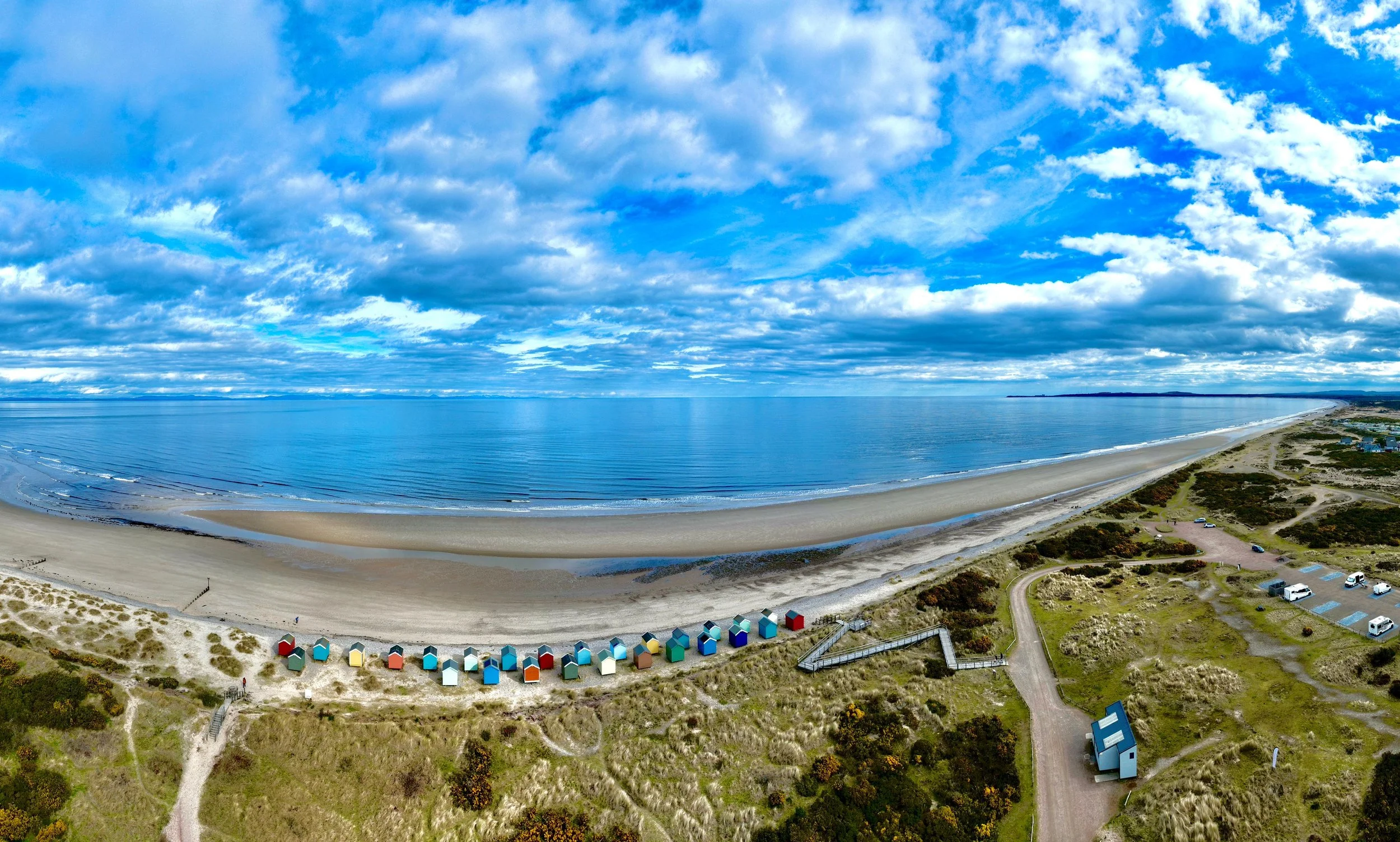
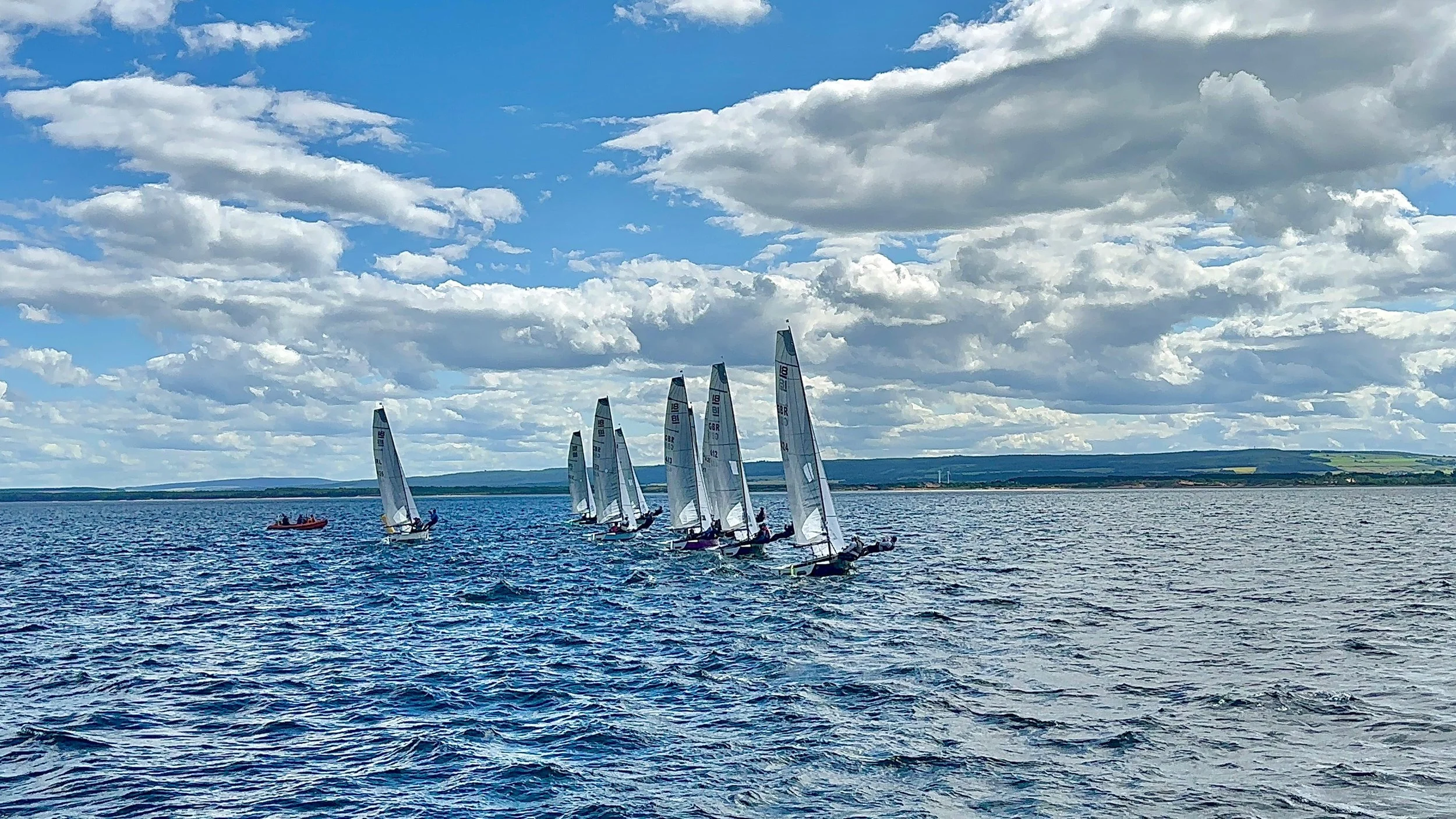
The Moray coastline is internationally renowned for its landscape, beaches, wildlife tourism and recreational sailing. The proposed structures would be highly visible from long stretches of coastline and surrounding areas. In EIA screening responses, Moray Council identified potential significant seascape and visual impacts, including impacts on:
the Culbin through Findhorn, Roseisle to Burghead Special Landscape Area
Concerns have also been raised about impacts on:
tourism and visitor experience
wildlife tourism businesses
sailing and recreational boating
dark skies and coastal character
outdoor recreation
fishing activity and navigation
The coastline included nationally and internationally recognised beaches and supports local businesses, including accommodation, hospitality, wildlife tours and outdoor activities. Findhorn Beach was named Scottish Beach of the Year by The Times and Sunday Times in 2023 and Excellent Classification by SEPA in 2025. The Moray Firth Coastline has also been voted by the National Geographic as one of the top 12 coastlines in the world, ahead of the Dalmatian Coast and the Shores of Bermuda
Fishing and Marine Access
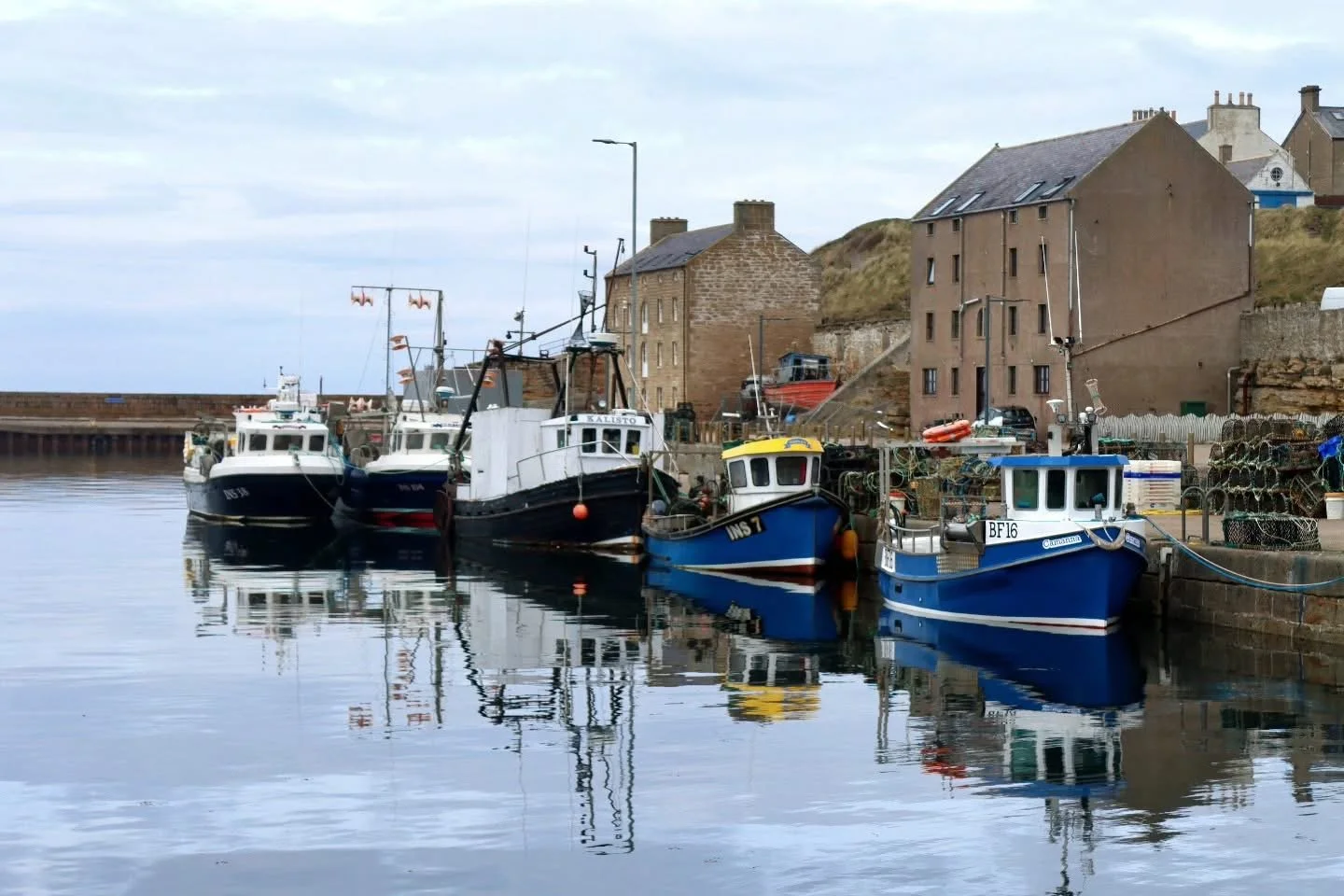
Local fishing interests have raised concerns about:
overlap with existing fishing grounds
disruption to fishing activity and navigation routes
reduced access during operations
uncertainty about long term impacts on fish stocks and local fishing businesses
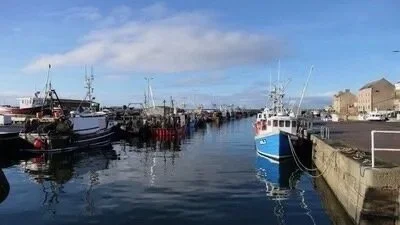
The proposed site lies in an area used by fishing vessels from Burghead and surrounding harbours